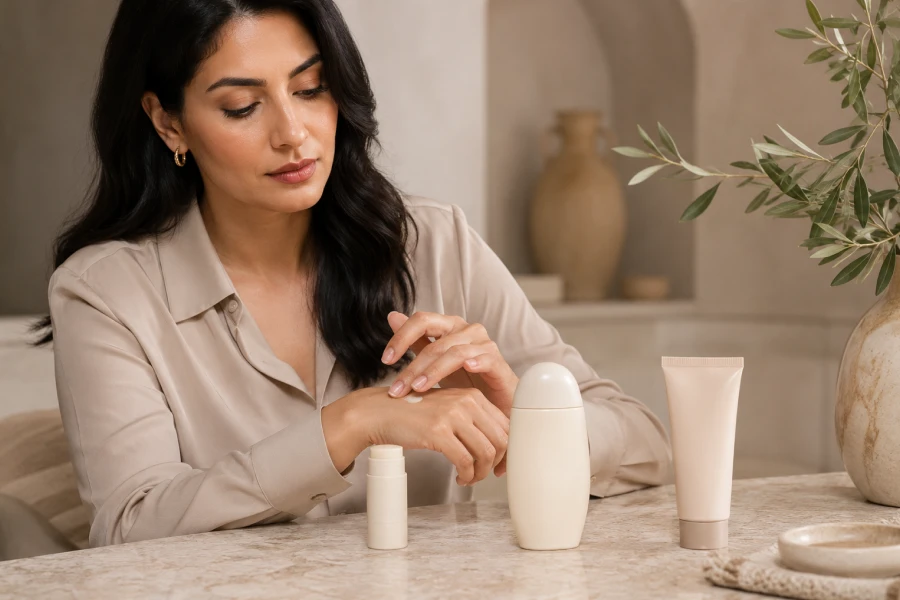
How to choose sunscreen for your skin can feel more complicated than it needs to be. Sunscreen shopping gets overwhelming when every bottle claims to solve a different concern. One promises glow, another promises matte comfort, and another promises invisible wear. The most useful choice is rarely the one with the longest list of claims. It is the formula you can apply generously and keep using on ordinary days. That makes wearability the first filter rather than an afterthought. Consider your skin feel, your climate, and whether you wear makeup often. Then narrow the options instead of collecting products for every possible scenario. A skin-type sunscreen shortlist can make the decision feel much less emotional. It focuses attention on what your routine genuinely needs right now. That is usually more helpful than buying five bottles and using none consistently.
Finish shapes whether sunscreen feels welcome on your face after the first week. Dry or comfort-seeking skin may prefer a moisturizing creamier texture. Oily or shine-prone skin may prefer a lighter fluid or gel-cream finish. Combination skin may need something balanced enough for both cheeks and forehead. There is no perfect formula that feels identical on every person. The goal is a finish that does not make you want to apply less. A finish-first SPF choice keeps that practical test at the center. It also prevents you from rejecting good protection because the texture felt wrong. Give a formula several normal mornings before deciding it is not for you. Comfort over a full day tells you more than one five-minute first impression.
Your day matters as much as your skin type when choosing a formula. A home-office routine may call for something light and easy under moisturizer. Long outdoor days may require a more durable option and a refresh plan. Makeup wearers may prioritize how sunscreen settles before foundation. People who exercise outdoors may value portability and sweat-friendly reapplication. These needs can coexist without requiring a dozen different products. Start with the scenario you live most often, not the fantasy version of your routine. A daily formula that works reliably is usually the best first purchase. Then add another option only when a real gap appears. This approach keeps your selection useful instead of aspirational.
Test products one variable at a time whenever possible. Try a new formula with your regular cleanser, moisturizer, and makeup. Notice pilling, stinging, shine, dryness, or how the finish changes by afternoon. Do not introduce three new skincare products on the same day. That makes it almost impossible to know what caused the result. A daily sunscreen comparison works best when your baseline stays stable. Keep simple notes about texture, layering, and whether you looked forward to using it again. Those notes are more useful than a dramatic first-day verdict. They reveal whether the formula fits your real habits and not just its packaging. A thoughtful test saves money and reduces unnecessary product clutter.
A small collection is often enough when every formula has a clear role. You may need one everyday face sunscreen and one option for sports or beach days. You may not need separate products for every season, handbag, and bathroom shelf. Start with the product that covers the most common part of your life. If it works under makeup and feels comfortable, that is a strong sign. If it fails in one specific situation, add a targeted alternative later. A wearable face protection mindset keeps the collection purposeful. It makes you less likely to chase novelty when consistency would serve you better. Fewer choices can make daily application faster and more dependable. That simplicity is often the best feature a sunscreen routine can have.
The right sunscreen is not necessarily the trendiest bottle or the most expensive one. It is the one you reach for without negotiating with yourself each morning. Choose based on how it feels, how it layers, and how it suits your actual day. Revisit the choice when your skin, weather, or routine changes significantly. Until then, let consistency do its quiet work. A reliable formula is more valuable than a shelf full of almost-right options. That is why starting small is not settling for less. It is a practical way to build a routine you can maintain. Once you find a good fit, protection becomes easier to apply generously. And that is the standard that matters most.
One reliable everyday formula is often more valuable than a drawer full of almost-right bottles. Use it long enough to understand how it behaves during your normal routine. Notice comfort, shine, pilling, and whether you can apply enough without resistance. Those practical details should guide your next purchase more than packaging promises. Add a second option only when a real need appears, such as sports or beach days. This keeps your collection functional rather than aspirational. It also makes it easier to finish products before they expire or clutter the shelf. When your skin or climate changes, revisit the same basic questions. You do not need to begin the search from zero every time. Your experience with texture and wearability becomes useful personal data. That knowledge leads to more confident choices and fewer unnecessary purchases. In the end, the right sunscreen is the one that makes generous daily use easy.




Leave a comment